Cursive writing is an essential skill that has been a cornerstone of education for centuries. It not only enhances the aesthetic appeal of handwriting but also improves writing speed and readability. With the increasing use of digital devices, the art of cursive writing is slowly fading away, making it even more important to preserve and promote this traditional skill. Writing cursive letters from A to Z requires practice, patience, and dedication, but with the right guidance, anyone can master it.
The benefits of cursive writing extend beyond the realm of aesthetics. Research has shown that writing in cursive can improve cognitive skills, such as memory and concentration, and even help individuals with dyslexia and other learning disabilities. Moreover, cursive writing has been linked to improved hand-eye coordination, fine motor skills, and overall dexterity. As we delve into the world of cursive writing, it’s essential to understand the significance of this skill and its numerous benefits.
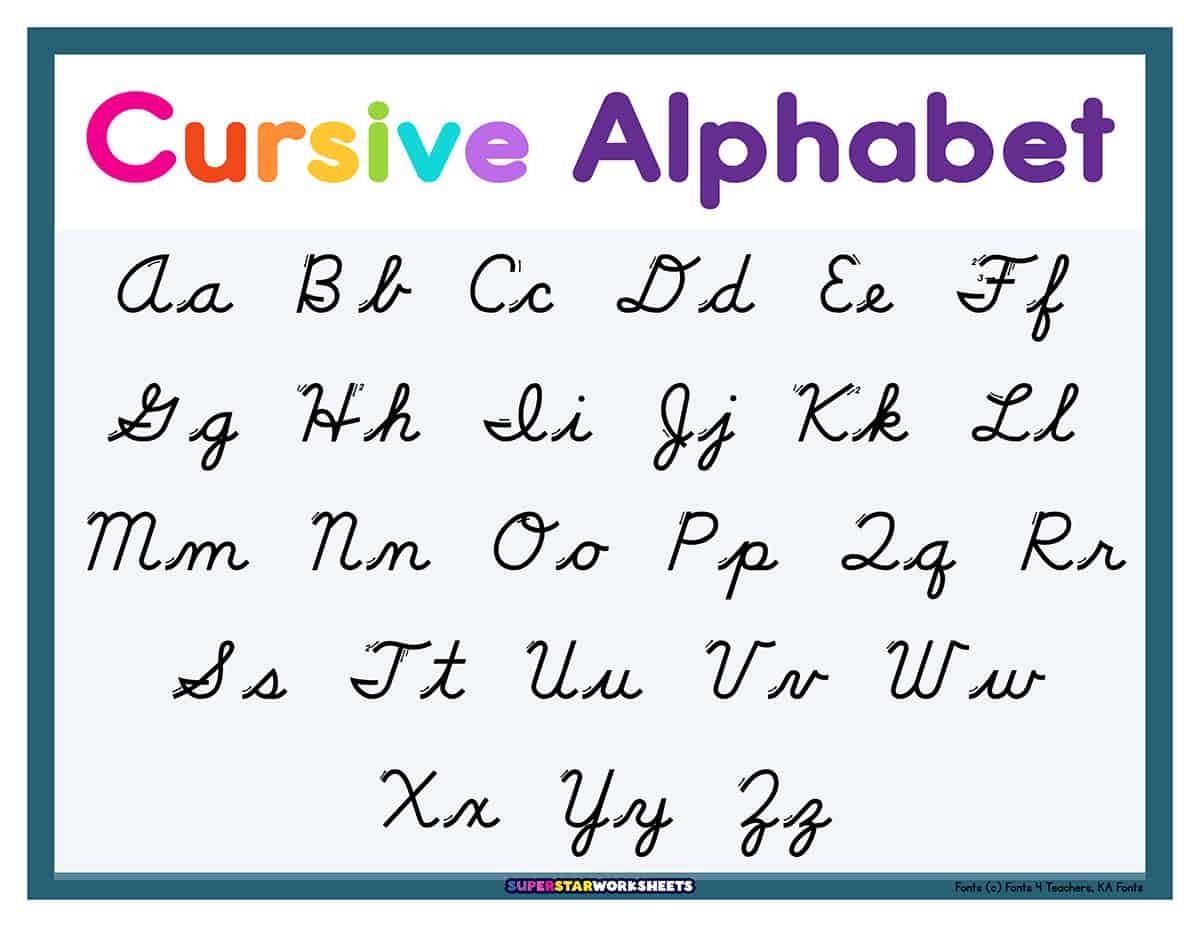
Cursive Alphabet Superstar Worksheets
Getting Started with Cursive Writing
To get started with cursive writing, it’s crucial to understand the basics of letter formation and connections. Begin by practicing the correct grip, posture, and paper positioning. Hold your pen or pencil at a 45-degree angle, with your paper tilted slightly to the right. Start by writing the cursive alphabet, focusing on the correct formation of each letter. Pay attention to the connections between letters, as this is what sets cursive writing apart from print writing. With consistent practice, you’ll develop muscle memory, and writing cursive letters will become second nature.
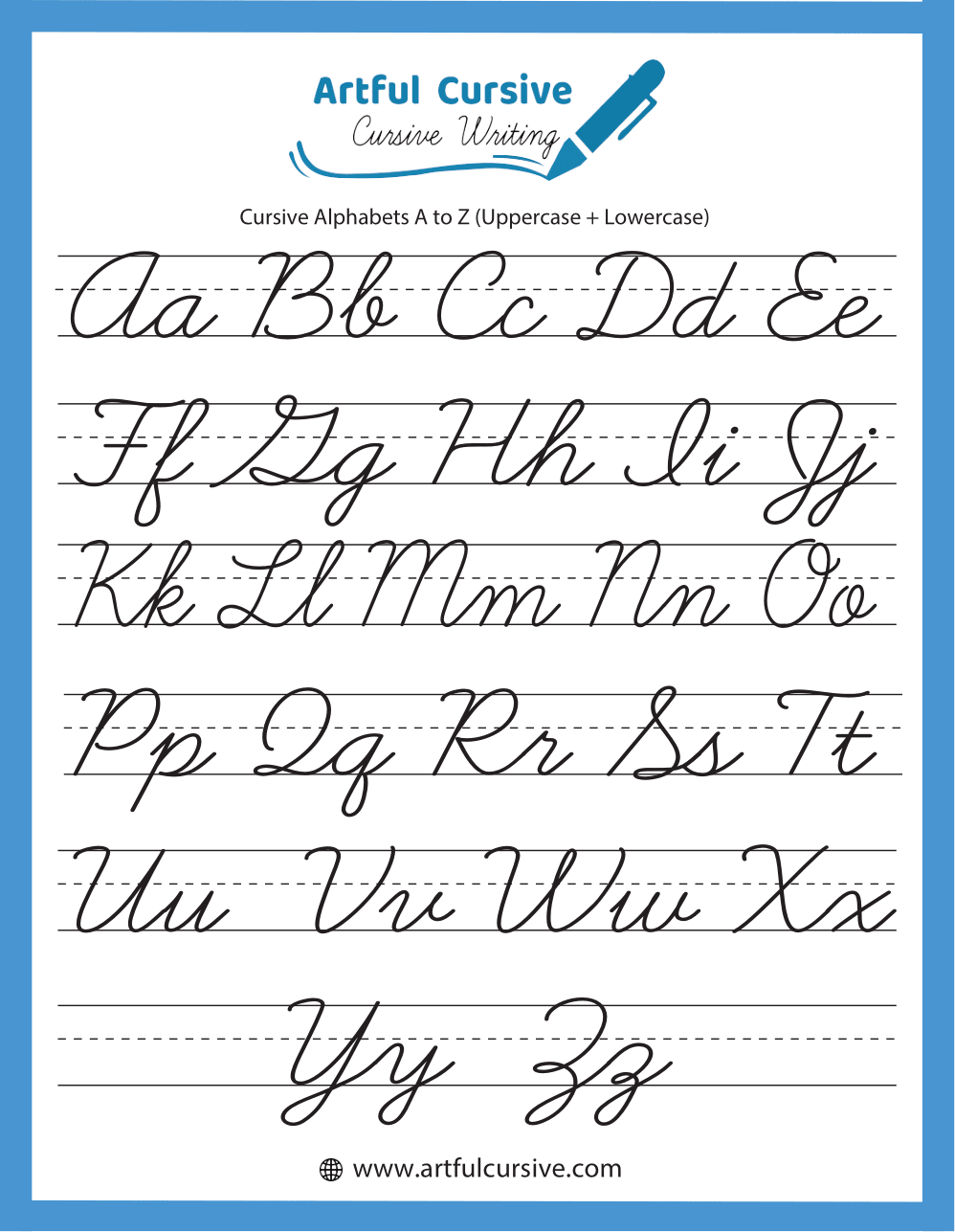
Cursive Alphabet A To Z Worksheets Uppercase Lowercase
Cursive Alphabet: Letters A-M
The cursive alphabet can be divided into two parts: letters A-M and letters N-Z. Letters A-M are the foundation of cursive writing, and mastering these letters will make it easier to learn the rest. Start by practicing the letters A, C, E, and O, as these are the most common letters in the cursive alphabet. Focus on the correct formation of each letter, paying attention to the connections and flow. As you become more comfortable with these letters, you can move on to the more complex letters, such as F, H, and K.
Cursive Alphabet: Letters N-Z
The second half of the cursive alphabet, letters N-Z, requires a bit more practice and patience. These letters often have unique formations and connections, making them more challenging to master. Start by practicing the letters N, R, and S, as these are the most common letters in this section. Focus on the correct formation of each letter, paying attention to the connections and flow. As you become more comfortable with these letters, you can move on to the more complex letters, such as Q, X, and Z.
Cursive Alphabet A To Z Worksheets Uppercase Lowercase
With consistent practice and dedication, you’ll be able to write cursive letters from A to Z with ease and confidence. Remember to practice regularly, even if it’s just for a few minutes a day. Start by writing short sentences and gradually move on to longer paragraphs. Don’t be afraid to make mistakes – they’re an essential part of the learning process. With time and effort, you’ll master the art of cursive writing and enjoy the numerous benefits that come with it.
Cursive Alphabet A To Z Worksheets Uppercase Lowercase
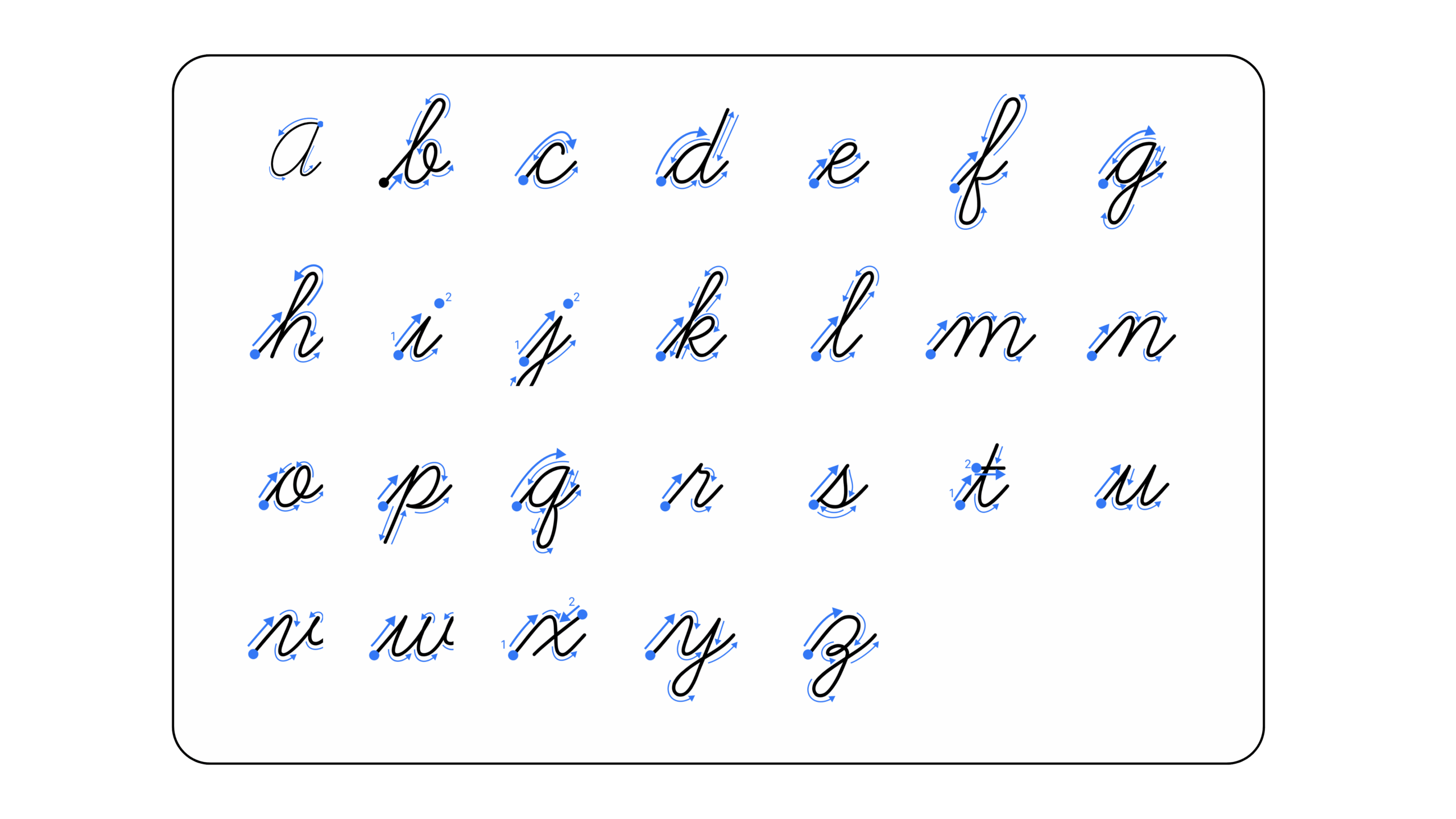
How To Write Cursive Alphabet A To Z Writey